 Text Us
 Legally Reviewed By
Table of Contents
A car accident can happen in the blink of an eye, but the effects can linger for months, years, or even a lifetime. Whether you’ve been in a minor collision or a multivehicle accident, it’s important to understand the most common car accident injuries and the symptoms to watch for, especially since some injuries may not show up right away.
To use the tool, simply click on a part of the body to view common injuries and symptoms that may occur in a car crash. While every situation is different, many of these injuries can lead to significant medical costs, lost wages, and pain and suffering – factors that may entitle you to a settlement. If you’ve been hurt in a crash, contact Huffman & Huffman to learn more about your legal options.
This interactive tool is for informational purposes only and is not intended to provide legal or medical advice. It is not a substitute for consulting with a qualified healthcare provider or attorney.
What Are the Most Common Car Accident Injuries?
Head, Neck, and Back Injuries
High-speed collisions often result in serious head and neck injuries, including whiplash and concussions, where the brain or spine is jostled. Symptoms of these injuries may include:
- Car accident head injury symptoms may include a persistent headache, dizziness or balance problems, nausea or vomiting, blurred vision, tinnitus, and sensitivity to light or noise.
- A neck injury after a car accident typically presents with pain and stiffness, headaches starting at the base of the skull, muscle spasms, reduced neck mobility, and sometimes tingling or numbness down the arms.
- A back injury from a car accident typically causes sharp or dull pain in the back, muscle stiffness, spasms, and limited ability to bend down or twist.
Arm and Shoulder Injuries
Arm and shoulder injuries from car accidents often occur when a person uses their arms to brace for impact or their arms strike a surface during a collision. Below are some symptoms to watch out for:
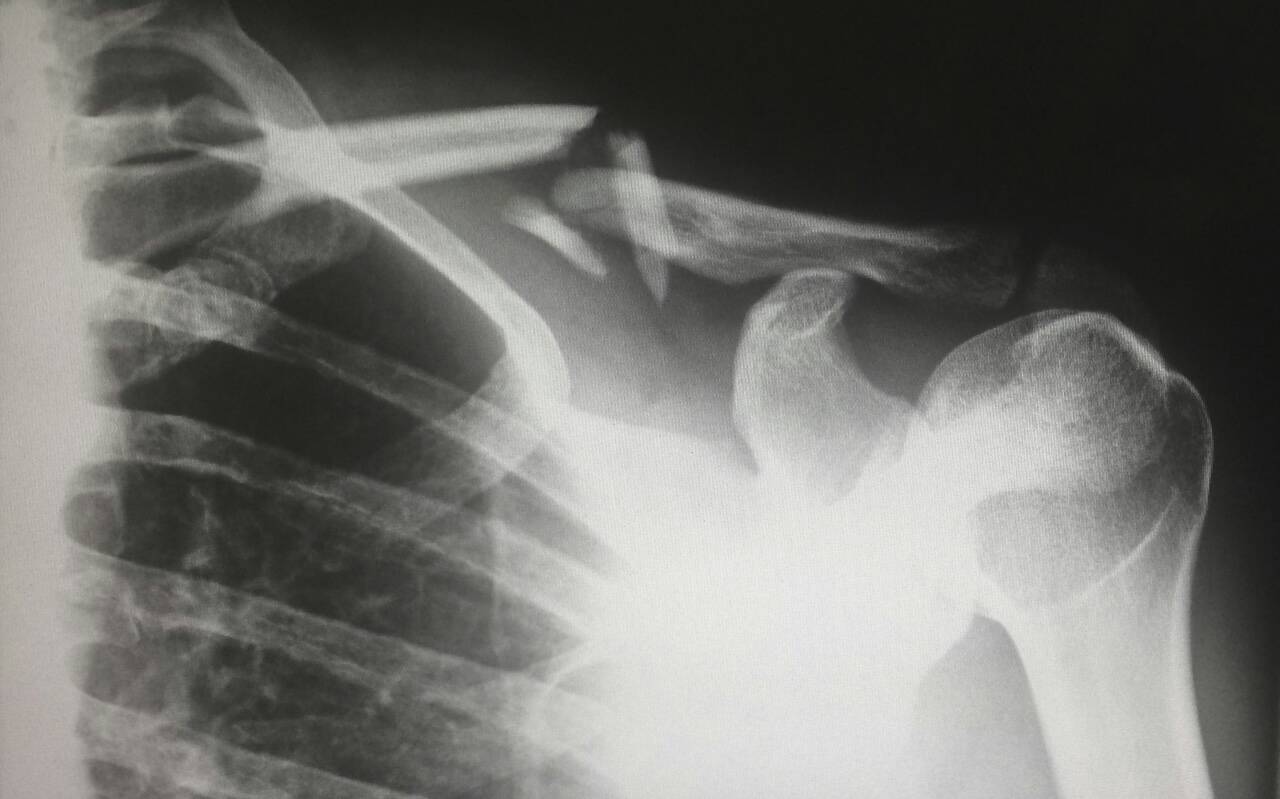
- A shoulder injury from a car accident may include symptoms such as pain that worsens at night or with movement, weakness when lifting the arm, limited range of motion, swelling, bruising, and a visibly deformed or out-of-place joint.
- Arm injuries can range from soft tissue sprains and contusions to bone fractures. Look for pain, swelling, tenderness, bruising, reduced function, and deformity—especially in the elbow, forearm, or wrist .
Chest and Internal Injuries
Car accidents can cause serious chest and internal injuries that may not be immediately visible but require urgent medical attention.
- Car accident chest injuries often include bruised or broken ribs, which cause sharp pain when breathing, coughing, or moving, along with tenderness in the chest area.
- Internal injuries from a car accident may appear as abdominal or back pain, swelling, dizziness, and signs of internal bleeding like rapid heartbeat or confusion.
Lower Body Injuries
Many lower body injuries from car accidents occur in head-on collisions, where a person’s knees may strike the dashboard or their feet and ankles may be compressed by the crumpling of the vehicle’s front end. Here are some common symptoms:
- Hip injuries may cause intense pain in the hip or groin, visible swelling, stiffness, and difficulty standing or walking. In some cases, the leg may appear turned outward or shorter than the other.
- Leg injuries from car accidents can lead to deep bruising, swelling, limited motion, sharp pain with movement, and visible deformity in cases of fracture.
- A knee injury from a car accident often involves swelling, stiffness, instability, difficulty bearing weight, and a popping or locking sensation in the joint.
- Ankle and foot injuries may result in swelling, tenderness, pain with walking or standing, bruising, and reduced range of motion in the affected area.
Dealing With Car Accident Injuries? It May Be Time To Speak With a Lawyer
The effects of a car accident injury don’t stop at the ER. Pain can linger and once simple routines can feel overwhelming. If a negligent or reckless driver caused your accident, you don’t have to carry that burden alone. At Huffman & Huffman Brothers-in-Law, we help injured people across Virginia take legal action and get the support they need to move forward. Schedule a free consultation with a car accident injury attorney from our team today.


Related Posts
-
 Car AccidentsPedestrian Accidents3 mins READ
Safety Tips for Drivers & Pedestrians
Walking should be a safe way to get around, but pedestrian crashes continue to affect families across Virginia. According to DRIVE SMART Virginia’s annual report, which cites Virginia DMV data, 138 pedestrians died on Virginia roadways in 2025. Nationwide, 7,080 pedestrians were killed in traffic crashes in 2024—a 3.9% decrease from 2023, but still a...Read More -
 Car Accidents4 mins READ
What to Do If You’re in an Accident on the Hampton Roads Bridge-Tunnel
An accident on the Hampton Roads Bridge-Tunnel can create additional challenges beyond those of a typical car crash, from safely getting out of traffic to determining fault in heavy congestion. Knowing what to do at the scene, what evidence to preserve, and how to document your injuries and losses afterward can help protect a potential claim.Read More -
 Car AccidentsPersonal Injury4 mins READ
Huffman & Huffman celebrates child passenger safety week
Every parent and caregiver wants to do everything possible to protect the children in their care. As a firm with multiple parents, child safety and well-being are always at the front of our mind, especially when traveling by car. Child Passenger Safety Awareness Week is September 20–26, with Saturday, September 26 recognized as National...Read More