 Text Us
  Call Us
What Happens When You Leave the Scene of a Car Accident in Virginia?

Quick Answer
Leaving the scene of a car accident in Virginia is a crime. If the crash caused an injury, death, or more than $1,000 in property damage, the driver can face a Class 5 felony. If the crash caused $1,000 or less in property damage, it is generally a Class 1 misdemeanor. Virginia law requires drivers to stop, provide identifying information, and render reasonable assistance to anyone who is injured.
Request My Free Consultation
 Legally Reviewed By
Table of Contents
Quick Answer
Leaving the scene of a car accident in Virginia is a crime. If the crash caused an injury, death, or more than $1,000 in property damage, the driver can face a Class 5 felony. If the crash caused $1,000 or less in property damage, it is generally a Class 1 misdemeanor. Virginia law requires drivers to stop, provide identifying information, and render reasonable assistance to anyone who is injured.
Request My Free ConsultationFor the person who got hit, though, a driver who flees the scene can turn an already stressful accident into something far more frustrating. You’re left dealing with damage, possibly an injury, and no idea who is responsible or how you’ll pay for the fallout.
This article walks through what happens to a driver who leaves the scene, how police often track down drivers who flee, what steps an injured person should take right away, and how compensation for the car accident claim may still be available even when the at-fault driver is never identified.
What Does Virginia Law Require After a Car Accident?
Under Virginia Code § 46.2-894, the driver of any vehicle involved in an accident in which a person is killed or injured or in which an attended vehicle or other attended property is damaged shall immediately stop as close to the scene of the accident as possible without obstructing traffic. That driver also has to report his or her name, address, driver’s license number, and vehicle registration number, either to law enforcement or to the people directly involved in the crash.
Virginia law also requires reporting the incident to a law-enforcement officer immediately for any accident involving injury or death. Beyond these requirements, the law also expects drivers to assist anyone who is injured, including the other driver. This can mean calling 911, helping someone move to safety, or otherwise making sure an injured person gets medical attention.
It’s worth noting that these specific duties apply to accidents involving attended vehicles or attended property, meaning someone was present. When no person is killed or injured, but an unattended vehicle or other unattended property is damaged, the driver instead has to make a reasonable effort to find the owner or custodian of that property and provide the same information under the unattended property statute. If the owner can’t be located, the driver must leave a note and report the accident to police within 24 hours. The rules are similar in spirit, but the stakes and penalties differ once someone is actually hurt.
What Are the Consequences of Leaving the Scene of a Motor Vehicle Accident in Virginia?
Virginia doesn’t treat hit-and-run crashes as a minor traffic issue. How serious the charge becomes depends largely on whether anyone was hurt and how much property damage resulted.
Is leaving the scene of an accident a felony? Yes, if the accident injured or killed someone, or caused more than $1,000 in damage to attended property, the offense is charged as a Class 5 felony. When the accident only involves attended property damage of $1,000 or less, however, it’s typically charged as a Class 1 misdemeanor instead.
A felony conviction can carry years in prison and lasting consequences for a driver’s license and criminal record. Even the misdemeanor-level offense can mean jail time and fines. These penalties exist because Virginia treats stopping and helping after a crash as a basic duty, not an optional courtesy, and the criminal justice system is built to hold drivers accountable when they fail to meet it.
How Do Police Find Hit-and-Run Drivers?
A driver who leaves the scene may be gone by the time police arrive, but investigators can often work backward from the evidence left behind. Depending on the circumstances, police may use:
- Witness descriptions: A witness may remember the vehicle’s color, make, model, body style, direction of travel, or characteristics of the driver.
- Full or partial license plate numbers: Even an incomplete plate can help narrow the pool of possible vehicles when combined with other identifying details.
- Traffic and surveillance footage: Cameras from intersections, nearby businesses, homes, parking lots, or other locations may capture the vehicle before or after the crash.
- Automatic license plate reader data: In qualifying investigations, law enforcement may use plate-reader data to look for vehicles matching the available description or partial plate information.
- Physical evidence from the scene: Broken lights, trim pieces, paint transfer, and other debris may help identify the type of vehicle involved.
- Damage to a suspected vehicle: Investigators can compare the location and pattern of damage on a vehicle with evidence from the crash scene.
- Witness interviews and other records: Additional statements, repair information, and other investigative records may help connect a particular driver or vehicle to the collision.
- Crash reconstruction: In more serious or complicated cases, trained investigators may analyze vehicle damage, roadway evidence, debris, and other physical evidence to determine how the crash occurred.
For an injured person, even a detail that seems incomplete can matter. A partial plate number, vehicle description, photograph, piece of debris, or nearby camera may give investigators a place to start. Rather than attempting to follow the fleeing driver, focus on reporting the car crash promptly and preserving whatever information is available.
What Should You Do If the Other Driver Leaves the Scene?
If you’ve just been hit by a driver who took off, what you do in the next few minutes and days can shape whether that driver is ever identified and whether you’re able to recover compensation.
Consider taking these steps as soon as it’s safe to do so:
- Call 911 and report the hit-and-run to your local law enforcement agency right away
- Do not chase the other driver
- Write down everything you remember, including the vehicle’s description, plate information, direction of travel, and any details about the driver
- Photograph the accident scene, your vehicle, and any visible injuries
- Look for witnesses and note any nearby homes or businesses with cameras
- Seek medical attention, even if your injuries seem minor at first
- Preserve damaged vehicle parts and other physical evidence
- Notify your insurer promptly, but be cautious about giving a detailed or recorded statement before you understand your rights
- Speak with a Virginia car accident lawyer if you were injured
Can You Recover Compensation If the Hit-and-Run Driver Is Never Found?
It’s a common concern after a hit-and-run: if the other driver is never identified, does that mean there’s no way to recover anything? In most cases, the answer is no; recovery is still possible.
Virginia law addresses this directly. A motor vehicle shall be deemed uninsured if its owner or operator is unknown under Virginia’s uninsured motorist coverage law. That means your own uninsured motorist coverage can potentially step in and pay for your losses, even though the person who caused the crash was never tracked down.
Potential compensation through a UM claim may include medical expenses, lost wages, reduced earning capacity, pain and suffering, permanent disability or disfigurement, property damage, and other losses tied to the crash. That said, a UM claim is still a claim that has to be proven. You generally need to establish that the unidentified driver was at fault for the accident and document the full extent of your injuries and losses, much like you would in a claim against a known driver.
How a Virginia Hit-and-Run Accident Lawyer Can Help
Hit-and-run cases come with challenges that a typical car accident claim doesn’t. The driver may be unknown, evidence like video footage and witness memories can fade fast, and you may end up dealing primarily with your own insurance company rather than the at-fault driver’s carrier. Multiple policies may need to be reviewed, coverage disputes can arise, and the value of serious or long-term injuries isn’t always obvious without a thorough review of your medical records and financial losses.
Our attorneys at Huffman & Huffman Brothers-in-Law work through these issues by:
- Investigating the crash and the circumstances surrounding it
- Locating and preserving video footage and witness evidence before it disappears
- Working with law enforcement records and other available reports
- Identifying the driver when that’s possible
- Determining which liability and UM/UIM policies apply to your situation
- Proving fault even when the driver remains unidentified
- Documenting the full value of your injuries and financial losses
- Negotiating with insurers on your behalf
- Filing suit when a fair resolution isn’t reached through negotiation
Since 1973, our firm has represented car accident victims throughout Virginia, and our attorneys bring that experience to hit-and-run cases specifically, where the path to compensation often isn’t as straightforward as it is in a typical two-car collision.
Contact Huffman & Huffman After a Virginia Hit-and-Run Accident
Not knowing who hit you doesn’t necessarily mean there’s no path to compensation. Between your own uninsured motorist coverage and the possibility that the driver may still be identified, you may have more options than it seems like in the immediate aftermath of the crash.
Timing matters here more than in most car accident cases. Video footage gets overwritten, witnesses’ memories fade, and vehicle debris at the scene can be cleared away within days. The sooner you get help, the better positioned you are to preserve what’s available.
Our attorneys at Huffman & Huffman have spent decades handling car accident and insurance claims across Virginia, including cases where the at-fault driver fled the scene. If you were injured in a hit-and-run, reach out to our car accident attorneys for a free consultation. We’ll talk through what happened and help you understand what your options may look like.


Related Posts
-
 Car Accidents4 mins READ
What to Do If You’re in an Accident on the Hampton Roads Bridge-Tunnel
An accident on the Hampton Roads Bridge-Tunnel can create additional challenges beyond those of a typical car crash, from safely getting out of traffic to determining fault in heavy congestion. Knowing what to do at the scene, what evidence to preserve, and how to document your injuries and losses afterward can help protect a potential claim.Read More -
 Car AccidentsPersonal Injury4 mins READ
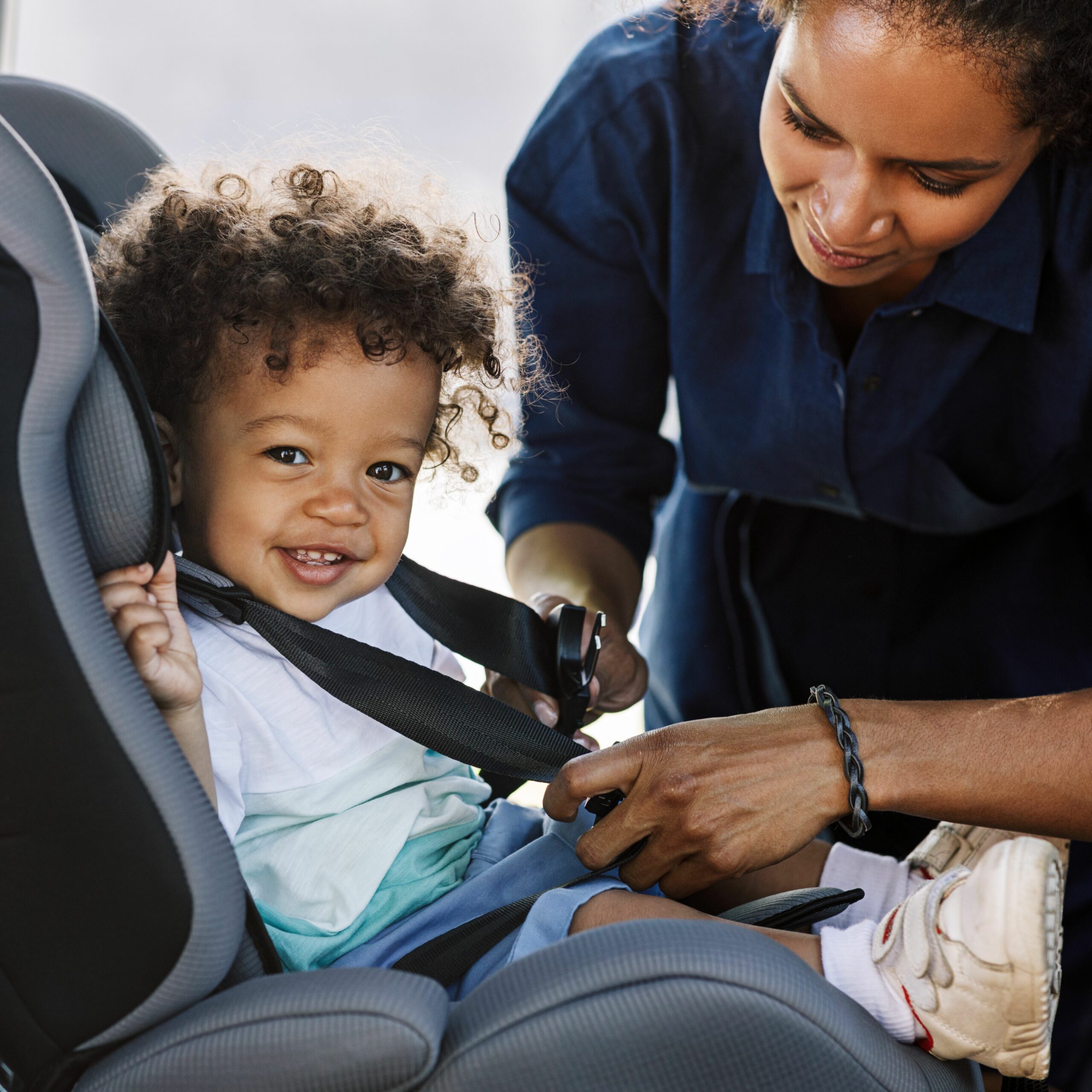
Huffman & Huffman celebrates child passenger safety week
Every parent and caregiver wants to do everything possible to protect the children in their care. As a firm with multiple parents, child safety and well-being are always at the front of our mind, especially when traveling by car. Child Passenger Safety Awareness Week is September 20–26, with Saturday, September 26 recognized as National...Read More -
 Car Accidents5 mins READ
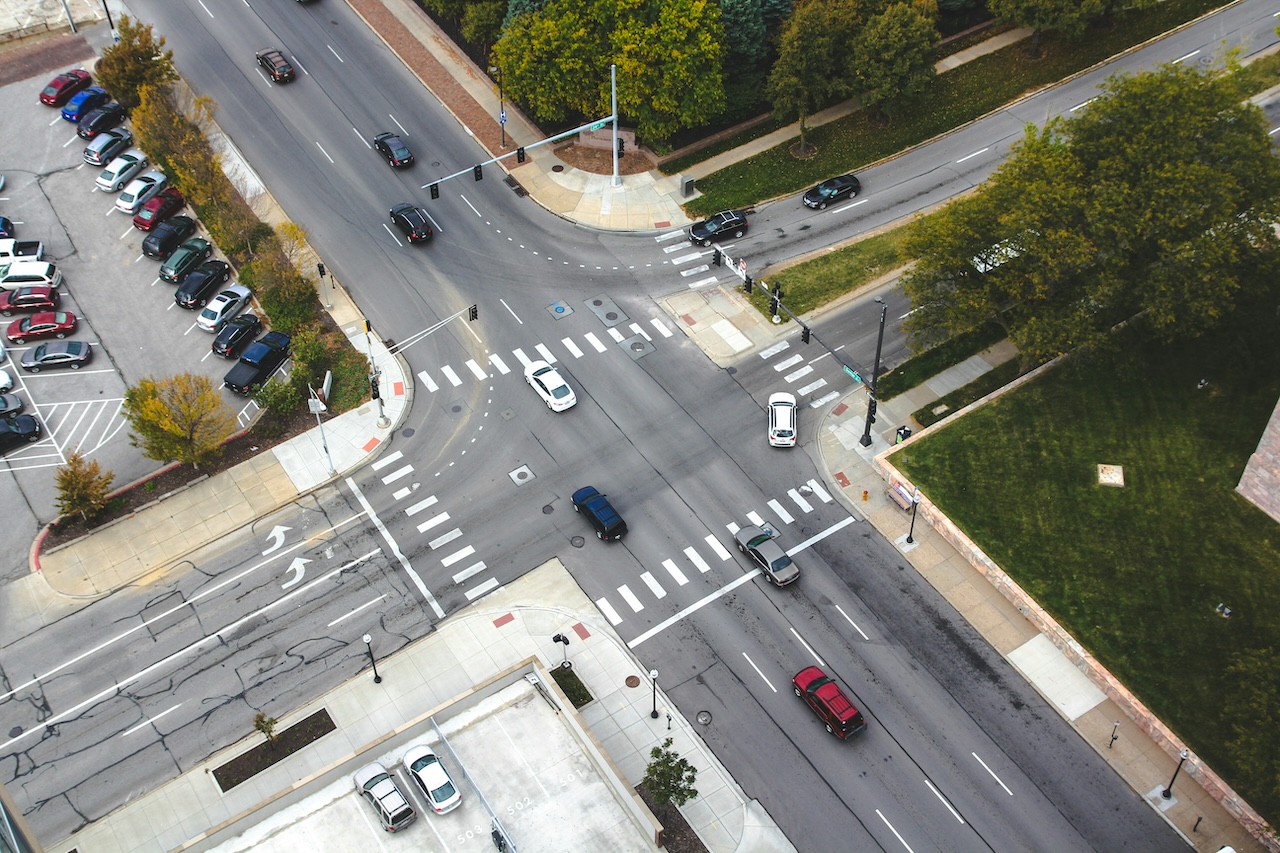
Where Do Most Car Accidents Happen in Virginia Beach?
Car accidents in Virginia Beach can happen anywhere, but some roads and driving environments consistently see more crashes than others. From busy corridors and highway interchanges to residential streets and commercial areas, different parts of the city present different risks. In this article, we’ll look at some key Virginia Beach car accident statistics, which areas...Read More