 Text Us
 Legally Reviewed By
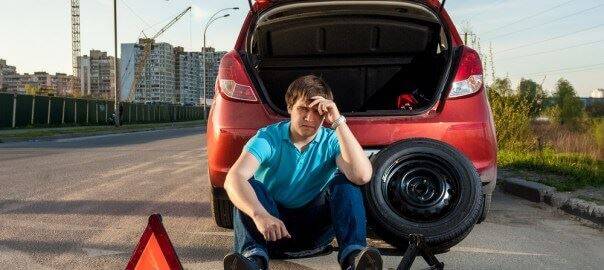
Mechanical failures and issues are part of owning a car, and while regular maintenance can help reduce the risk, a breakdown is always a possibility. In the event your car breaks down, it’s important to know what to do to keep both yourself and other drivers safe from harm. Don’t let a minor breakdown turn into a major catastrophe! Make sure you’re prepared for every possibility, no matter how unlikely it may be.
- Get Off the Road – In the event of a breakdown or engine failure, DO NOT slam on the breaks. Instead, gently remove your foot from the accelerator and attempt to carefully and safely pull your car to the right shoulder or breakdown lane, making sure to signal your intentions to fellow drivers the entire time. If you’re on the interstate and it’s possible to get to an exit, try to do so.
- Stay Visible – Be sure to turn on your emergency flashers to inform other drivers that your car is in distress. After you have safely removed your car from the road, make sure it’s visible to other cars. Place reflector triangles and cones behind and around your vehicle if you have them.
- Call for Help – Don’t try to repair your vehicle yourself, instead call for professional assistance. If you don’t have a roadside assistance provider, call a tow truck or 9-1-1. Do not try to flag down other drivers. Lifting your hood and attaching a white flag or cloth to your antennae or hanging a white cloth out of your window will alert police and emergency vehicles that your car is in need of assistance. If your vehicle is not on the roadway, sit inside with the doors locked until help arrives.
- Stay out of the Road – If your vehicle has broken down on the roadway and can’t be moved, make sure your hazards are on and then remove yourself from the roadway as quickly and safely as possible.
Remember, when faced with a breakdown, the most important thing you can do is get yourself and your passengers to safety off the road. Alerting other driver’s to your situation with flashers and keeping yourself safe helps prevent unnecessary accidents and can be the difference between a minor breakdown and a much more serious incident.


Related Posts
-
 Car AccidentsPersonal Injury4 mins READ
Huffman & Huffman celebrates child passenger safety week
Every parent and caregiver wants to do everything possible to protect the children in their care. As a firm with multiple parents, child safety and well-being are always at the front of our mind, especially when traveling by car. Child Passenger Safety Awareness Week is September 20–26, with Saturday, September 26 recognized as National...Read More -
 Car Accidents6 mins READ
What Happens When You Leave the Scene of a Car Accident in Virginia?
For the person who got hit, though, a driver who flees the scene can turn an already stressful accident into something far more frustrating. You’re left dealing with damage, possibly an injury, and no idea who is responsible or how you’ll pay for the fallout. This article walks through what happens to a driver who...Read More -
 Car Accidents5 mins READ
Where Do Most Car Accidents Happen in Virginia Beach?
Car accidents in Virginia Beach can happen anywhere, but some roads and driving environments consistently see more crashes than others. From busy corridors and highway interchanges to residential streets and commercial areas, different parts of the city present different risks. In this article, we’ll look at some key Virginia Beach car accident statistics, which areas...Read More