

 Legally Reviewed By

Table of Contents
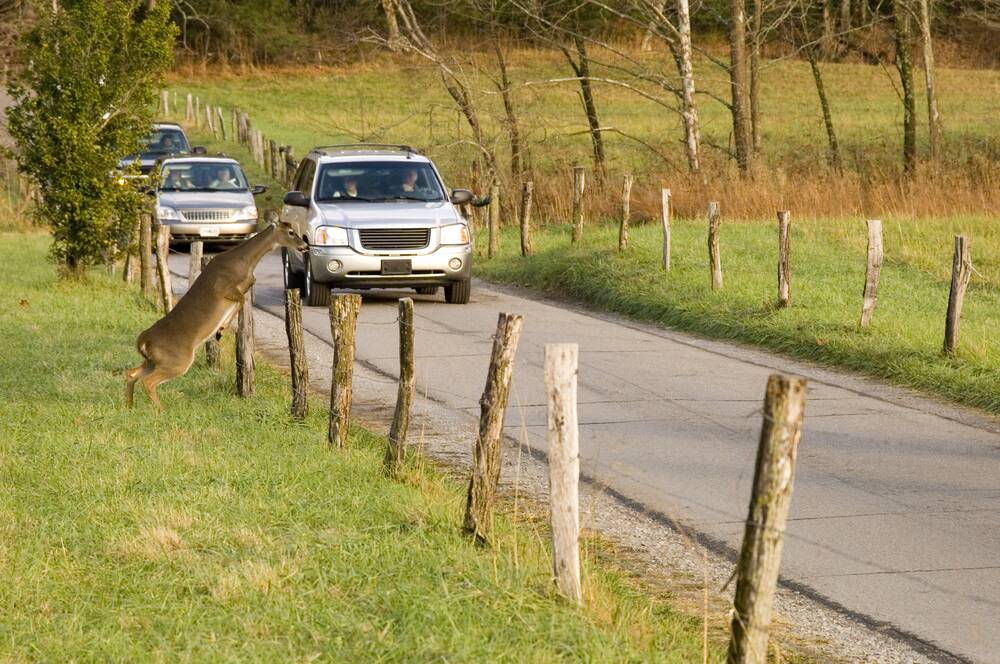
Deer collisions become more common on Virginia roads each fall, sometimes leaving drivers with significant vehicle damage, unexpected expenses, or serious injuries. After an accident, it’s important to understand what your insurance may cover and what steps you should take to protect yourself.
In most cases, collisions involving deer are handled through the driver’s own auto insurance, with coverage depending on the policy. However, when another driver’s negligence contributes to a crash that causes injuries, there may also be grounds for a personal injury claim. Understanding the difference can help you determine how to proceed, from reporting the accident and filing an insurance claim to knowing when legal representation may be appropriate.
Click here to schedule a confidential consultation or call our office at 757-525-9820.
Why Deer-Vehicle Collisions Rise Every Fall in Virginia
Deer-vehicle collisions increase in Virginia each fall because deer move more frequently during their mating season, known as the rut. Activity picks up in mid-October and peaks in November, when deer are more likely to cross roadways, particularly around dawn and dusk. Shorter days and the end of daylight saving time also put more commuters on the road after dark, when deer can be harder to spot. According to VDOT, November has historically seen the highest number of deer-related crashes in Virginia.
Drivers can reduce their risk by slowing down in areas where deer are present and watching for additional animals, since deer often travel in groups. If a deer enters your path, brake while maintaining control of your vehicle rather than swerving sharply, which could cause you to enter another lane or leave the roadway.
Is Hitting a Deer Covered Under Comprehensive or Collision Insurance?
Hitting a deer is generally covered by comprehensive insurance, sometimes called “other-than-collision” coverage. This optional coverage pays for damage caused by contact with an animal, as well as other events such as theft, wind, hail, fire, flooding, and vandalism.
Collision coverage applies in different circumstances. For example, if you swerve to avoid a deer and strike a tree, guardrail, or another vehicle instead, damage to your car would generally fall under collision coverage. Both types of coverage are subject to your policy’s terms and deductibles.
If you only carry liability insurance, your policy generally won’t pay to repair your vehicle after hitting a deer. Liability coverage is designed to cover injuries or property damage you cause to others, not damage to your own car.
It’s also important to distinguish vehicle damage from injuries. Comprehensive and collision coverage don’t pay your medical bills, but medical payments coverage, if included in your policy, or your health insurance may help cover treatment costs.
What to Do Immediately After Hitting a Deer
If you’re searching for what to do after you hit a deer in Virginia, the steps below cover the practical sequence most drivers need to follow.
- Move to a safe location. Pull off the road when you can, turn on your hazard lights, and avoid approaching the deer directly, since an injured animal can be unpredictable.
- Check for injuries. Call 911 if anyone needs emergency care, and don’t dismiss symptoms like neck pain or headaches that sometimes appear after the adrenaline fades.
- Report the accident. If the collision kills a deer, Virginia law requires you to report it immediately to a conservation police officer or local law enforcement. You should also notify authorities if an injured animal or debris presents a danger to other drivers.
- Document the damage. Photograph your vehicle, the road conditions, and anything relevant to how the collision happened, while it’s safe to do so.
- Determine whether the vehicle is drivable. Leaking fluid, damaged lights, or compromised tires are signs it’s time to call a tow truck rather than continue driving.
Getting these steps right doesn’t just protect you legally; it also gives your insurance company the documentation it needs to process the claim without unnecessary delay.
Click here to schedule a confidential consultation or call our office at 757-525-9820.
When Does a Deer Collision Become a Personal Injury Case?
If you hit a deer and suffer injuries, you generally won’t have a personal injury claim unless another person’s negligence contributed to the accident. Most collisions involving only a deer and your vehicle are handled through your own insurance coverage, even when injuries occur. However, if another driver’s careless actions cause or contribute to a deer-related crash, you may have grounds to pursue compensation. Examples include:
- Another driver swerves into your vehicle: A motorist trying to avoid a deer makes an unsafe maneuver, crosses into your lane, and strikes your car.
- A driver rear-ends you: You slow down or stop because of a deer in the road, and a distracted or tailgating driver crashes into your vehicle.
- A deer triggers a multivehicle accident: Another driver’s speeding, distraction, or unsafe maneuver turns a deer sighting into a chain-reaction crash that injures you.
These accidents can raise complicated questions about liability, particularly when multiple drivers react to the same sudden hazard. Determining who was responsible and whether an injured person has grounds for a claim often requires a closer examination of the circumstances.
How to File a Claim for a Deer-Related Accident in Virginia
The type of claim you file after a deer-related accident depends on how the crash happened, the damage and injuries involved, and the insurance coverage available.
- If the accident involved only your vehicle and a deer: Contact your insurance company to report the collision and determine which coverages apply. Comprehensive insurance generally covers vehicle damage, while medical payments coverage or health insurance may help with treatment expenses if you were injured. Provide photographs, any available accident report, and documentation of your losses. You generally don’t need a personal injury lawyer for this type of accident, even if you suffered injuries.
- If another driver caused or contributed to the accident: You may have grounds to file a claim with that driver’s liability insurance for your injuries and vehicle damage (download our Property Damage After a Vehicle Accident guide to learn more). Your own comprehensive or collision coverage may also apply. Report the accident to your insurer and preserve photographs, witness information, medical records, and other relevant documentation.
If you were injured and another driver contributed to the accident, it’s advisable to consult a personal injury attorney before pursuing a claim with the other driver’s insurer. Legal representation is particularly important because Virginia follows a strict contributory negligence rule. If your own negligence contributed to the accident, you may be barred from recovering compensation, even if the other driver was primarily responsible. An attorney can investigate the collision, challenge attempts by insurers to unfairly shift blame onto you, and help you pursue compensation for your injuries and other losses.
Were You Injured in a Deer-Related Crash Involving Another Driver?
At Huffman & Huffman Brothers-in-Law, we represent people injured in accidents caused by negligent drivers. If another motorist’s actions contributed to a deer-related crash that injured you, our attorneys can investigate what happened, establish responsibility, and help you pursue compensation for your injuries and losses.
For decades, we’ve represented injured motorists throughout Hampton Roads, including in Newport News and Virginia Beach. If you believe another driver was responsible for your injuries, contact Huffman & Huffman for a free consultation to discuss your case and legal options.


Related Posts
-
 Car AccidentsPedestrian Accidents3 mins READ
Safety Tips for Drivers & Pedestrians
Walking should be a safe way to get around, but pedestrian crashes continue to affect families across Virginia. According to DRIVE SMART Virginia’s annual report, which cites Virginia DMV data, 138 pedestrians died on Virginia roadways in 2025. Nationwide, 7,080 pedestrians were killed in traffic crashes in 2024—a 3.9% decrease from 2023, but still a...Read More -
 Car Accidents4 mins READ
What to Do If You’re in an Accident on the Hampton Roads Bridge-Tunnel
An accident on the Hampton Roads Bridge-Tunnel can create additional challenges beyond those of a typical car crash, from safely getting out of traffic to determining fault in heavy congestion. Knowing what to do at the scene, what evidence to preserve, and how to document your injuries and losses afterward can help protect a potential claim.Read More -
 Car AccidentsPersonal Injury4 mins READ
Huffman & Huffman celebrates child passenger safety week
Every parent and caregiver wants to do everything possible to protect the children in their care. As a firm with multiple parents, child safety and well-being are always at the front of our mind, especially when traveling by car. Child Passenger Safety Awareness Week is September 20–26, with Saturday, September 26 recognized as National...Read More