 Text Us
 Legally Reviewed By
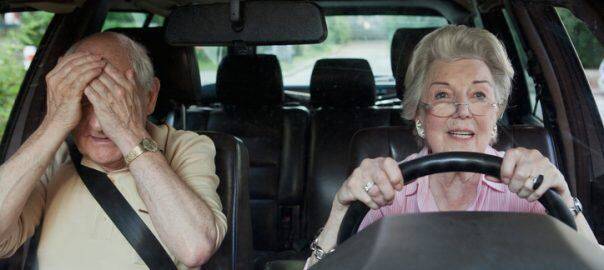
Growing up can be one of the hardest stepping stones in an individual’s life. However, growing old is something that is even harder for someone to accept. No matter how hard you try to stay young and healthy, father time always holds the upper hand. As people age into their 70’s, 80’s and higher they begin to lose some of the physical and mental attributes they were once capable of. The hardest part is coming to terms with this realization and taking the necessary steps to adapt to this new style of life, which often includes knowing when to stop driving.
Furthermore, as people age, it is up to their family, friends and loved ones to help aid them in this lifestyle transition. Whether it is taking some of their responsibilities into your own hands or just helping them with everyday chores. The difficult part comes when it is time to tell your loved ones that it is time to stop doing something they love or something they have done for their entire life. For example, deciding it is time to take the keys away from your aging family member or loved one is no simple task. It is painful for one to accept that they should no longer be behind the wheel when many individuals have spent the better part of their life driving some sort of vehicle to get around.
An article by Caring.com provides an in-depth look at how to determine when it is time to take the keys away from your aging family members and loved ones. The article goes into the undeniable fact that this is no simple task. It gives valuable information that educates individuals that there is no specific age to that people should stop driving because many individuals are capable of being competent drivers well into their 80’s and sometimes even 90’s.
The following are five factors that may not rule out driving but can be used to increase awareness of the fact the time may be coming soon:
- Health Conditions
- Vision Impairment
- Hearing impairment
- Prescription Drug Use and Other Medication Interactions
- Alcohol Use
These are the factors that affect elderly individuals and lead to them being unable to safely operate a motor vehicle. Once you are aware of these factors you can monitor them and evaluate whether they are affecting a family member enough to make a final decision to take away their keys.
Additionally, the article gives five signs to watch out for regarding dangerous elderly drivers:
- Auto Insurance Changes or Traffic Violations
- Damage to Car
- Reluctance to Drive at Night
- Friends’ Observations of Unsafe Driving
- Driving Behaviors Change
Although it may never be an easy task, taking the keys from your elders may be necessary for their safety as well as the safety of others. Read the full article HERE and you can be sure that you are educated and prepared to make the right decision at the right time.


Related Posts
-
 Car AccidentsPersonal Injury4 mins READ
Huffman & Huffman celebrates child passenger safety week
Every parent and caregiver wants to do everything possible to protect the children in their care. As a firm with multiple parents, child safety and well-being are always at the front of our mind, especially when traveling by car. Child Passenger Safety Awareness Week is September 20–26, with Saturday, September 26 recognized as National...Read More -
 Car Accidents6 mins READ
What Happens When You Leave the Scene of a Car Accident in Virginia?
For the person who got hit, though, a driver who flees the scene can turn an already stressful accident into something far more frustrating. You’re left dealing with damage, possibly an injury, and no idea who is responsible or how you’ll pay for the fallout. This article walks through what happens to a driver who...Read More -
 Car Accidents5 mins READ
Where Do Most Car Accidents Happen in Virginia Beach?
Car accidents in Virginia Beach can happen anywhere, but some roads and driving environments consistently see more crashes than others. From busy corridors and highway interchanges to residential streets and commercial areas, different parts of the city present different risks. In this article, we’ll look at some key Virginia Beach car accident statistics, which areas...Read More