 Text Us
  Call Us

 Legally Reviewed By
Ok, so you’ve passed your “Driver’s Ed” classes and survived your required hours of actual “Behind the Wheel” time with that not-so-memorable (or personable) driving instructor sitting beside you in the car marked with the largest sign in the world that reads “Student Driver.” With your newly obtained “freedom card” (driver’s license) in hand, you nervously make your way out to your new car, or your mom’s minivan, and prepare to hit the road alone. Well, like most milestones achieved, with your new privilege comes huge responsibility.
Here are some tips from an experienced driver, who, more often than not, had to find these out the hard way.
- Before you have the wind blowing through your hair, take a minute to quickly asses some very important parts of your vehicle.
- Are all four tires equally inflated?
- When you start the engine, are the gas and temperature gauges accurate (and do you enough have gas in the tank)?
- Have you adjusted your mirrors and seat(s) and ensured that all seat belts are functioning properly?
- Though road signs and signals are (mostly) the same throughout the U.S., you should familiarize yourself with those laws that differ upon crossing a state line.
- Though speeds tend to remain constant for long stretches of road, they do sometimes change suddenly (most often decreasing) depending upon road conditions and/or a change in surroundings. Be alert and always confirm the current speed limit.
- Being alert also refers to being aware of your surroundings (just because someone is operating a vehicle doesn’t mean they’re paying attention to you or anyone else). Keep a safe distance between you and the car you’re following – should they need to brake suddenly, chances are you will be doing the same.
- Switching lanes can be particularly dangerous on the freeway, so always remember to maintain your speed, which should be equal to or slightly less than the posted speed limit. Speeding up could cause you to get too close to another car you thought you were further away from, and slowing down could cause those around you to have to suddenly brake (and that is how you become familiar with the term ‘road rage’). Get in the habit of looking over your shoulder(s), rather than relying on your mirrors alone (learn about blind spots), to ensure the area you’re trying to move to is unoccupied. Always use your signal(s) to alert those around you of your intentions. Signals used in the middle of switching lanes defeats the purpose of having them and will likely lead to a situation you would rather not experience.
Though the list goes on and laws are constantly changing, driving is like most other things in life: Practice makes perfect. The only way to gain knowledge and confidence behind the wheel is to get out and drive! Drive as often as possible, and never forget that it is a privilege and NOT a right (breaking the rules will lead to the loss of your privilege). Good luck out there!


Related Posts
-
 Car Accidents4 mins READ
What to Do If You’re in an Accident on the Hampton Roads Bridge-Tunnel
An accident on the Hampton Roads Bridge-Tunnel can create additional challenges beyond those of a typical car crash, from safely getting out of traffic to determining fault in heavy congestion. Knowing what to do at the scene, what evidence to preserve, and how to document your injuries and losses afterward can help protect a potential claim.Read More -
 Car AccidentsPersonal Injury4 mins READ
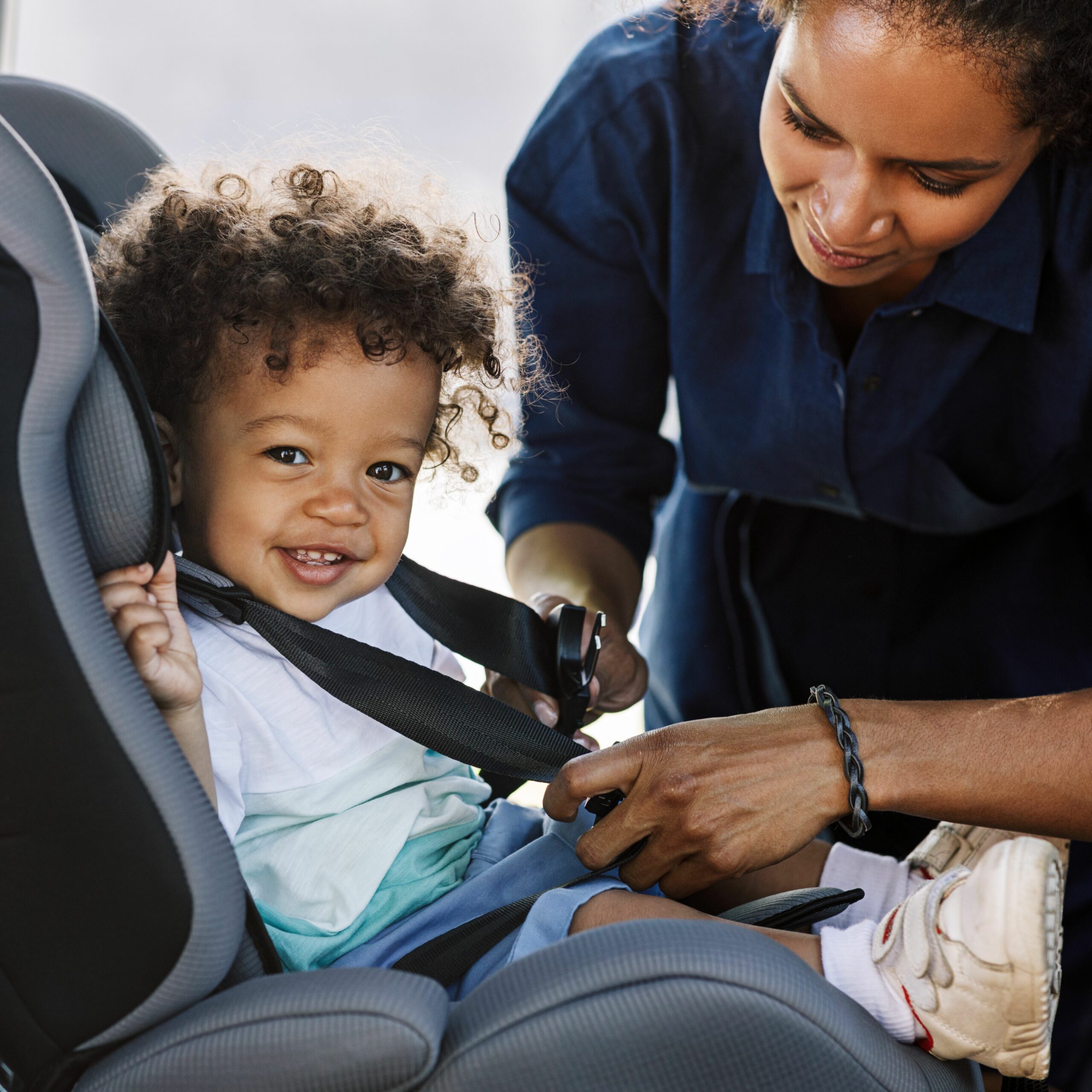
Huffman & Huffman celebrates child passenger safety week
Every parent and caregiver wants to do everything possible to protect the children in their care. As a firm with multiple parents, child safety and well-being are always at the front of our mind, especially when traveling by car. Child Passenger Safety Awareness Week is September 20–26, with Saturday, September 26 recognized as National...Read More -
 Car Accidents6 mins READ
What Happens When You Leave the Scene of a Car Accident in Virginia?
For the person who got hit, though, a driver who flees the scene can turn an already stressful accident into something far more frustrating. You’re left dealing with damage, possibly an injury, and no idea who is responsible or how you’ll pay for the fallout. This article walks through what happens to a driver who...Read More