

 Legally Reviewed By

Anyone who has ever gotten behind the wheel can admit that they have been less than perfect drivers from time to time. It’s okay, we’re all human. However, there are some driving bad habits that are far more dangerous than others. Compiled here is a list of the most dangerous driver offenses and how you can avoid being guilty of them.
- Driving under the influence – Everyone knows you shouldn’t get being the wheel if you have been drinking or are under the influence of drugs or medication but people still do. There is no excuse. If you really need to go somewhere, call a friend or an Uber. Nothing is worth this kind of risk.
- Driving tired – This is every bit as dangerous as driving under the influence. If you’re having trouble keeping your eyes open, don’t get behind the wheel. If you find yourself getting tired halfway through a trip, pull over somewhere safe and let yourself rest.
- Speeding – Speeding is the second leading cause of traffic fatalities, after drunk driving. Speed limits exist for a reason and it isn’t just to frustrate. Posted speed limits are based on actual traffic patterns and data for each roadway, follow the signs’ directions.
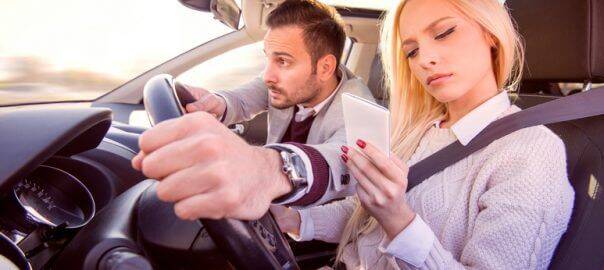
- Distracted driving – Just like driving tired or under the influence, distracted driving is incredibly dangerous. Just looking down at your phone for a second can have disastrous results. Focus on the task at hand, driving.
- Driving too fast for the weather conditions – Rain, snow, fog and even little afternoon thunderstorms all have a great effect on driving conditions. Reduced visibility, reduced roadway contact and high waters are all major contributors to vehicle accidents. Speed limits are meant for optimal weather conditions, if the weather is bad, slow down, take your time and be safe not fast.
- Not wearing a seat belt – It’s the law and there is no excuse not to strap yourself and your passengers in before beginning your journey. Seat belts save tens of thousands of lives every year.
- Failure to yield the right of way – When merging or approaching a stop sign or stop light, failure to lead the right of way has dangerous consequences. Obey the rules of the road and pay attention to your surroundings to avoid unnecessary accidents.


Related Posts
-
 Car Accidents5 mins READ
Deer Season Is Here: What Virginia Drivers Should Know About Animal-Collision Claims
Deer collisions become more common on Virginia roads each fall, sometimes leaving drivers with significant vehicle damage, unexpected expenses, or serious injuries. After an accident, it’s important to understand what your insurance may cover and what steps you should take to protect yourself. In most cases, collisions involving deer are handled through the driver’s own...Read More -
 Car AccidentsPedestrian Accidents3 mins READ
Safety Tips for Drivers & Pedestrians
Walking should be a safe way to get around, but pedestrian crashes continue to affect families across Virginia. According to DRIVE SMART Virginia’s annual report, which cites Virginia DMV data, 138 pedestrians died on Virginia roadways in 2025. Nationwide, 7,080 pedestrians were killed in traffic crashes in 2024—a 3.9% decrease from 2023, but still a...Read More -
 Car Accidents4 mins READ
What to Do If You’re in an Accident on the Hampton Roads Bridge-Tunnel
An accident on the Hampton Roads Bridge-Tunnel can create additional challenges beyond those of a typical car crash, from safely getting out of traffic to determining fault in heavy congestion. Knowing what to do at the scene, what evidence to preserve, and how to document your injuries and losses afterward can help protect a potential claim.Read More