 Text Us
  Call Us
 Legally Reviewed By
You’re getting ready to travel, maybe for work or for moving purposes, and you’d like to rent a larger vehicle for more space or just to avoid wear and tear on your own car. If you aren’t familiar with the rental process, you may be putting yourself at a disadvantage and could end up spending more time and money than you originally intended.
Before deciding on a company, it is wise to compare rates and overall quotes with those of the leading competitors – impulse renting will likely fail you! The five tips below will put you five steps ahead of other first-time renters and will save you from some unsolicited misery and overpaying.
These five factors have the potential to affect the total amount of money you spend for everything, and many will vary depending upon the company (and often times the state in which you’re renting).
- Biggest factor: Miles. Many companies will offer a base number of free miles (usually depends on length of time you keep the rental) and once that number has been reached, anything that surpasses is charged according to their standard rate (typically $0.29 – $1.12, again these rates differ). Be aware of the cost per mile and be sure to ask if that information hasn’t been offered to you.
- Taxes: Before agreeing to the rental terms and singing anything, make certain that all applicable taxes are reflected in your quote and remain the same upon returning your vehicle and paying the total. Taxes can vary from state to state and sometimes even from city to city. Should you choose to pick up from a location within an airport, you can usually expect to pay more due to airport surcharges.
- Gasoline: When you have the keys in hand and make your way out to your rental, before putting it in drive be sure to note the amount of gas in the tank. They will always expect you to return your vehicle with a full tank of gas and so you should expect to have one when you pick your car up. If it is below full, bring it to the attention of the associate who handed you the keys and should they refuse to add any fuel, have your picture evidence and written documentation handy upon return. Otherwise, you can expect to be paying for it when you drop off.
- Insurance: Many companies require you purchase some form of renters insurance in case of collision or any other damages and if so, check with your auto insurance agent to see if they insure rental vehicles (many do). If they require it, they may have already added that into your quote (always ask) and should your insurance company cover rentals, be sure to ask rental company to remove that fee from your quote. Others will give you the option of purchasing, which is almost always in your best interest. Again, trust me!
- Returning your rental: If you plan on returning to the same location you picked up from, make the company aware of that prior to signing contract (another one of those little hidden fees you wish you’d looked out for from the start). Be punctual when returning, as most will charge extra for returning later than the time you originally stated.
Although there’s a lot to consider when renting a vehicle, sometimes it’s just necessary and it certainly doesn’t have to be a bad experience. Now that you’re aware of the ‘fine print’ to be on the lookout for, you can rent with confidence! Happy renting!


Related Posts
-
 Car Accidents4 mins READ
What to Do If You’re in an Accident on the Hampton Roads Bridge-Tunnel
An accident on the Hampton Roads Bridge-Tunnel can create additional challenges beyond those of a typical car crash, from safely getting out of traffic to determining fault in heavy congestion. Knowing what to do at the scene, what evidence to preserve, and how to document your injuries and losses afterward can help protect a potential claim.Read More -
 Car AccidentsPersonal Injury4 mins READ
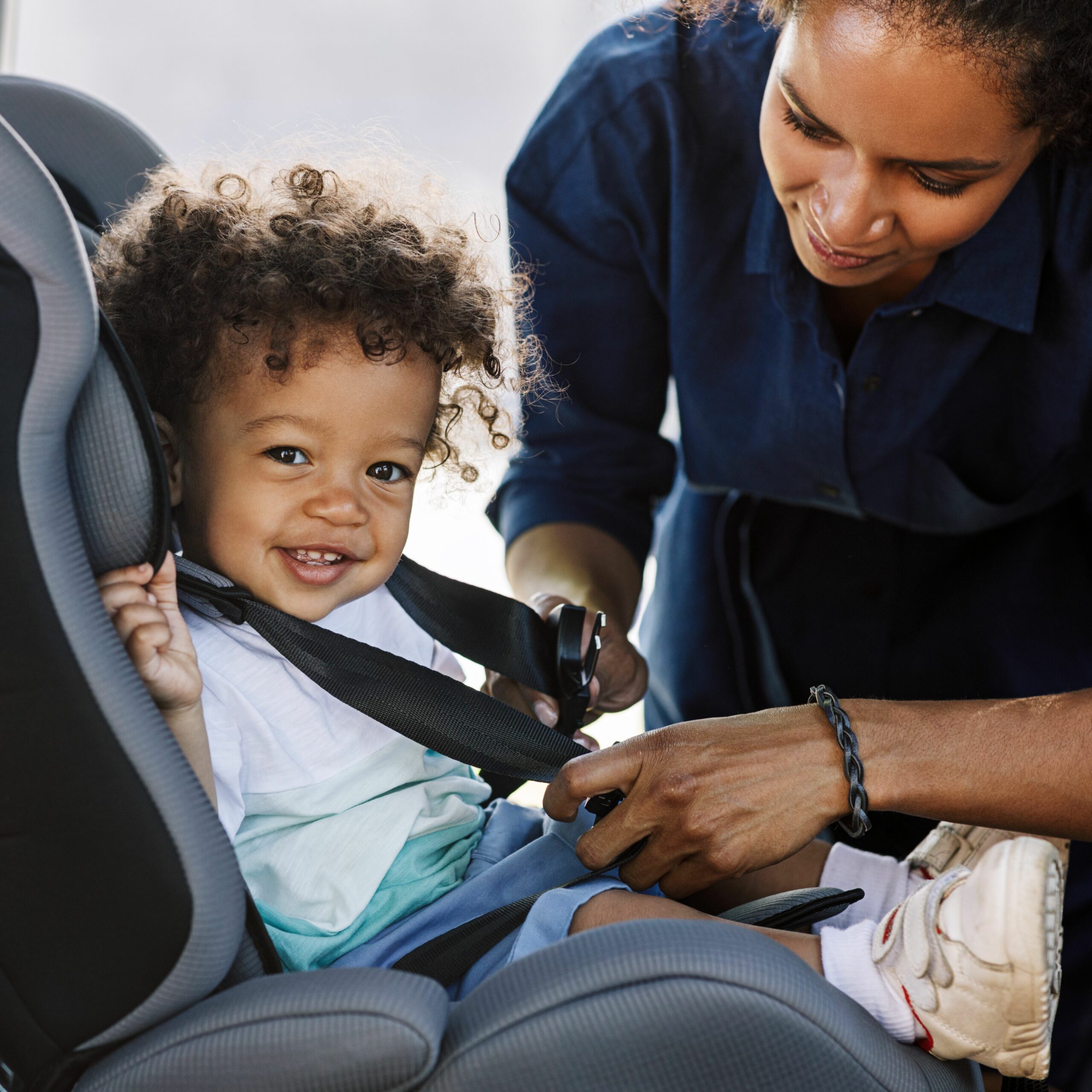
Huffman & Huffman celebrates child passenger safety week
Every parent and caregiver wants to do everything possible to protect the children in their care. As a firm with multiple parents, child safety and well-being are always at the front of our mind, especially when traveling by car. Child Passenger Safety Awareness Week is September 20–26, with Saturday, September 26 recognized as National...Read More -
 Car Accidents6 mins READ
What Happens When You Leave the Scene of a Car Accident in Virginia?
For the person who got hit, though, a driver who flees the scene can turn an already stressful accident into something far more frustrating. You’re left dealing with damage, possibly an injury, and no idea who is responsible or how you’ll pay for the fallout. This article walks through what happens to a driver who...Read More