 Text Us
 Legally Reviewed By
Table of Contents
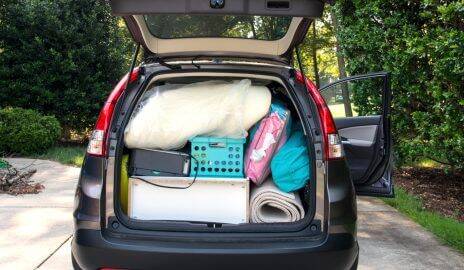
It’s the end of summer, and everywhere across the nation families are getting ready to send their teens off to college. But before your teen goes off to start their new life of independence, it’s important to make sure that they have everything they need, including the knowledge of how to maintain their car in your absence. Make sure to help your young driver check their car before they leave, and pass along the knowledge of what they should be checking while they’re away. Whether they’re driving cross country, maintaining the safety of their car is a great first thing to learn.
HIT THE LIGHTS
A simple place to start is checking the lights on the car. As an important part of the preventative maintenance checklist, you should always check the headlights, turn signals and emergency flashers before leaving on any kind of extended trip. Make sure to check both the front and the rear lights for the turn signals and flashers, and help your teen check the brakes by walking around the back of the car while they press the brake pedal.
KEEP THOSE TIRES ROLLING
Mileage varies from tire to tire, but it’s important to check for uneven tread wear, dry rot, or other potential hazards before leaving on any extended trip. A simple way to check the tread is by inserting a penny into the grooves. A good tire will still cover a portion of Abraham Lincoln’s head. Your teen should also learn to check the tire pressure with a gauge and refill the tire to the manufacturer’s recommended pressure. Tire pressure should always be checked when the tires are cold (not recently driven) and the recommended pressure can typically be found in the driver’s side door, center console, or owner’s manual.
START YOUR ENGINES
There’s a lot to check in the engine of the car, but knowing where everything is located and being able to check and identify potential problems is important knowledge for a teen who’s away from home on their own for the first time. Start by locating the different fluids – oil,coolant, transmission, brake, and power steering – and checking their levels. Knowing what levels these are at and how to refill them is also important. While not a necessity, it may be a good idea to send your teen off to school with a fresh oil change as well. If you perform oil changes at home, teach your teen how to change the oil and filter and remind them to keep an eye on the mileage of the car and get the oil changed once every 5,000 miles. Finally, check the battery with a voltmeter to make sure your teen’s car never fails to start.
IN CASE OF EMERGENCY
Even with proper maintenance and knowledge, there’s always a chance that your teen can run into unforeseen problems. For times like this it’s important to have an emergency kit in the car complete with jumper cables, flashlight, reflective triangles, first aid kit, and tow rope. There are plenty of other emergency items you can keep in your car, but these should be a good place to start. Additionally, help your teen locate the nearest mechanics and auto part stores near their college campus so they can continue to maintain their car and know where to go in case of an emergency.
College is a brand new chapter in your teen’s life, and armed with the knowledge of how to keep their car safe and running is an important piece of knowledge that can prevent their college fun from coming to a halt.


Related Posts
-
 Car AccidentsPersonal Injury4 mins READ
Huffman & Huffman celebrates child passenger safety week
Every parent and caregiver wants to do everything possible to protect the children in their care. As a firm with multiple parents, child safety and well-being are always at the front of our mind, especially when traveling by car. Child Passenger Safety Awareness Week is September 20–26, with Saturday, September 26 recognized as National...Read More -
 Car Accidents6 mins READ
What Happens When You Leave the Scene of a Car Accident in Virginia?
For the person who got hit, though, a driver who flees the scene can turn an already stressful accident into something far more frustrating. You’re left dealing with damage, possibly an injury, and no idea who is responsible or how you’ll pay for the fallout. This article walks through what happens to a driver who...Read More -
 Car Accidents5 mins READ
Where Do Most Car Accidents Happen in Virginia Beach?
Car accidents in Virginia Beach can happen anywhere, but some roads and driving environments consistently see more crashes than others. From busy corridors and highway interchanges to residential streets and commercial areas, different parts of the city present different risks. In this article, we’ll look at some key Virginia Beach car accident statistics, which areas...Read More