 Text Us
  Call Us

 Legally Reviewed By
Every day, millions of Americans wake up early, get in their car and head to work without a second thought about the dangers of being on the road. With self-operated vehicles serving as the major form of transportation in the United States it’s easy to see how drivers can take many forms of unsafe driving for granted, especially when those things are so common. Drowsy drivers are all over the road and, whether they’ve just woken up or not slept in too long of a period, these driver’s pose as much of a risk to their fellow drivers as those who drive drunk.
Every year, drowsy driving accounts for an estimated 100,000 police reported crashes, with an estimated 1,550 deaths as a result. These accidents result from drivers attempting to drive while in a fatigued state, leading to slower reaction time and impaired judgment. While anyone can drive while tired, statistics show that men between the ages of 18-29 are most likely to drive while tired, and are twice as likely as women to fall asleep behind the wheel. Adults with children are also more likely to drive while drowsy, as are shift workers, though regular daytime drivers often drive while tired a few days a month.
While driving while tired may seem like a normal thing to do, the dangers of being a fatigued state while operating a motor vehicle can be dire. While tired, drivers are prone to more aggressive behavior and, combined with impaired reaction times and judgment, this can easily lead to a higher rate of accidents. Driving while tired also presents dangers in the form of poor information processing and short-term memory, as well as decreased performance in general and a lack of motivation.
To prevent dangers while driving, look for the signs to see if you or someone you’re driving with may be driving drowsy.
- Difficulty Focusing
- Frequent blinking, heavy eyelids
- Trouble remembering recent miles driven
- Missing exits or traffic signs
- Yawning repeatedly or rubbing your eyes
- Trouble keeping head up
- Drifting from your lane, tailgating, hitting a shoulder rumble strip
- Feeling Restless or irritable
Rather than telling yourself you’re fine, take measures to prevent driving when you haven’t had enough sleep and take the time to wake up completely before beginning your morning commute. By taking steps to ensure you’re fully alert while driving you’ll prevent the risk of becoming a drowsy driver and be more aware of the other drivers around you. Remember, driving safely is everyone’s responsibility. Do your part to keep the roadways safe.
For more facts and information visit Drowsy Driving.Org.


Related Posts
-
 Car Accidents4 mins READ
What to Do If You’re in an Accident on the Hampton Roads Bridge-Tunnel
An accident on the Hampton Roads Bridge-Tunnel can create additional challenges beyond those of a typical car crash, from safely getting out of traffic to determining fault in heavy congestion. Knowing what to do at the scene, what evidence to preserve, and how to document your injuries and losses afterward can help protect a potential claim.Read More -
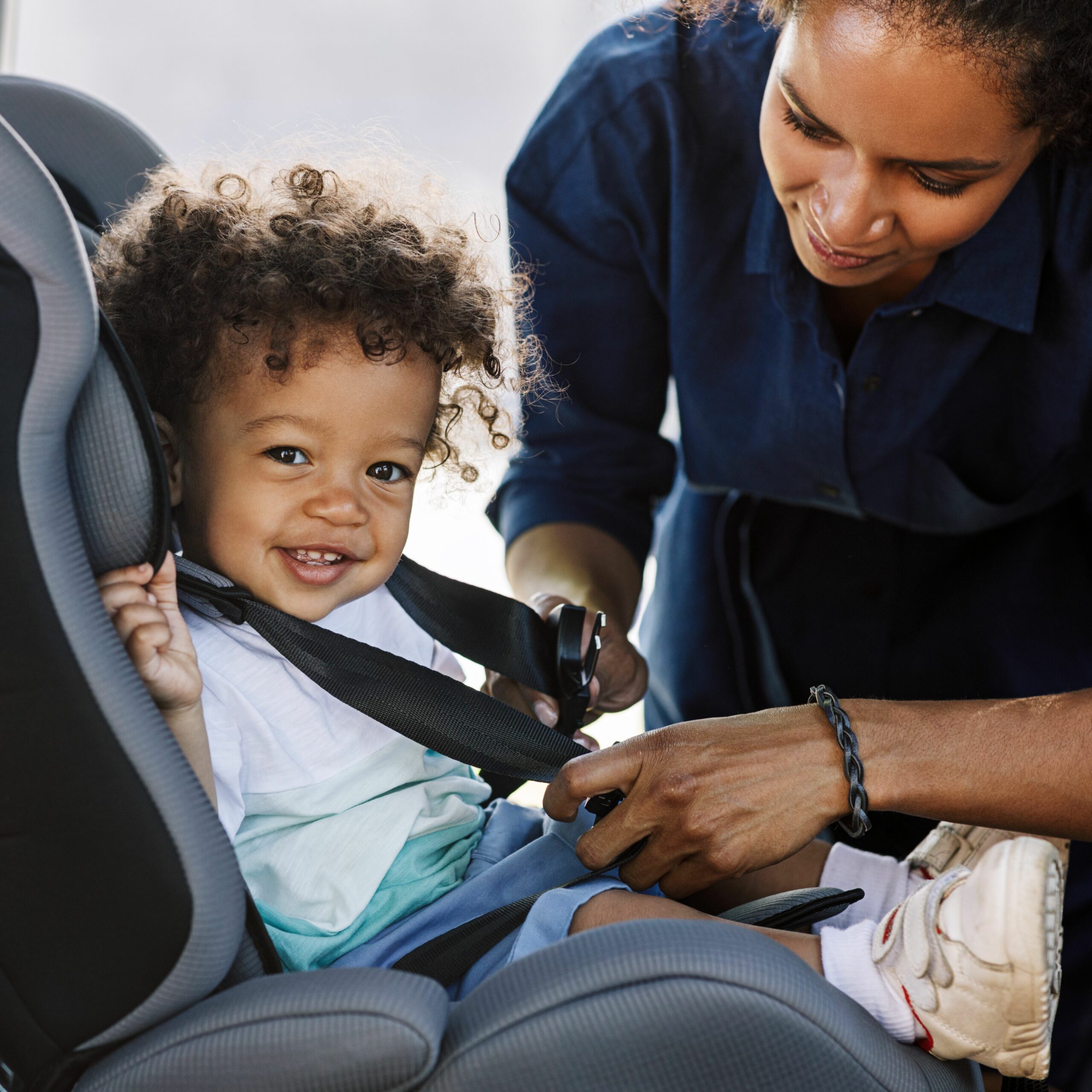 Car AccidentsPersonal Injury4 mins READ
Huffman & Huffman celebrates child passenger safety week
Every parent and caregiver wants to do everything possible to protect the children in their care. As a firm with multiple parents, child safety and well-being are always at the front of our mind, especially when traveling by car. Child Passenger Safety Awareness Week is September 20–26, with Saturday, September 26 recognized as National...Read More -
 Car Accidents6 mins READ
What Happens When You Leave the Scene of a Car Accident in Virginia?
For the person who got hit, though, a driver who flees the scene can turn an already stressful accident into something far more frustrating. You’re left dealing with damage, possibly an injury, and no idea who is responsible or how you’ll pay for the fallout. This article walks through what happens to a driver who...Read More