 Text Us
 Legally Reviewed By
Table of Contents
What is hydroplaning?
Driving in the rain is risky for several reasons, including hindered visibility, less steering control, and the need for greater stopping distances. When motorists fail to adjust their driving habits for rainy conditions, vehicles can begin to hydroplane.
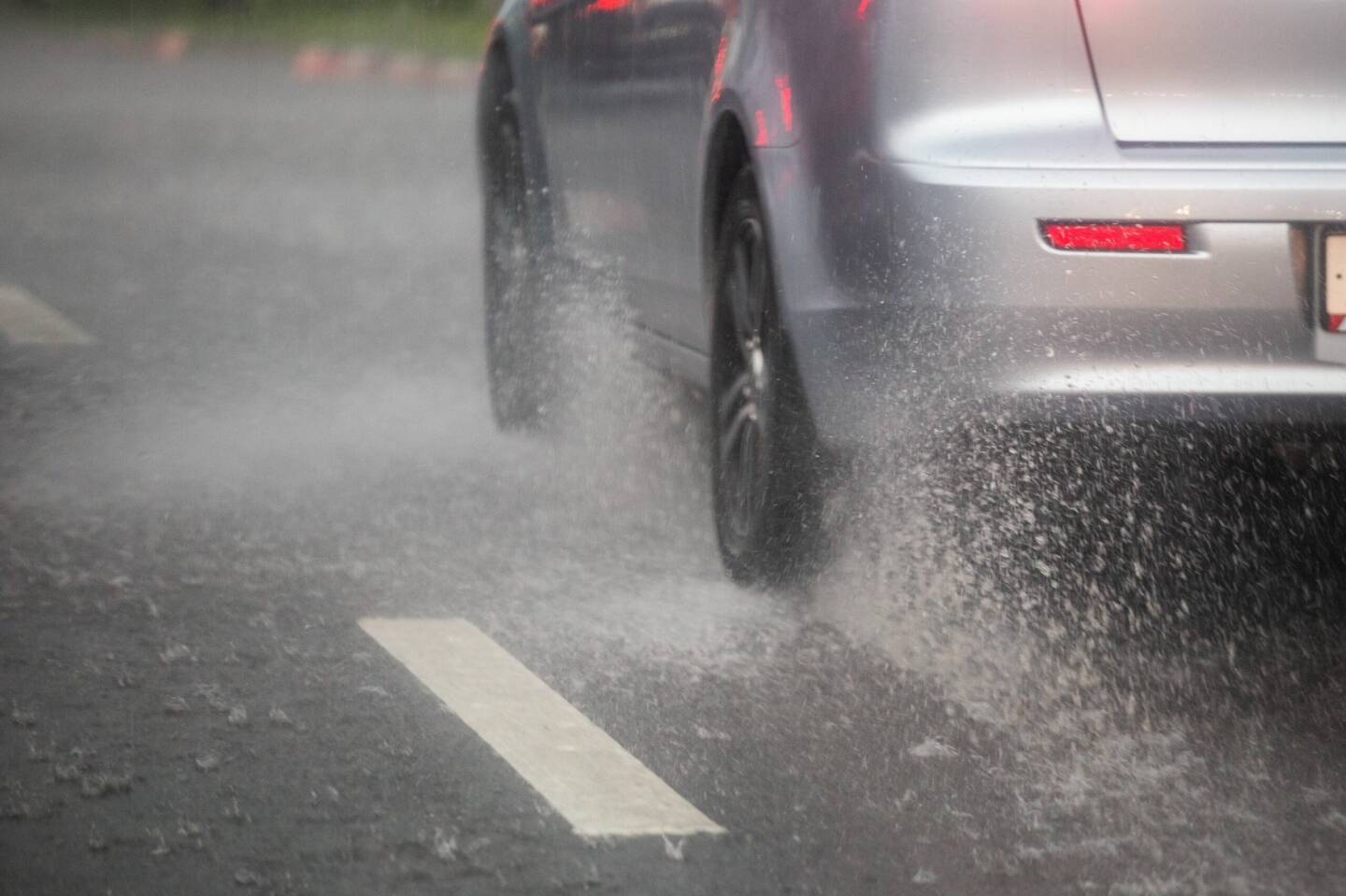
Also known as “aquaplaning,” hydroplaning may occur when your vehicle tires lose grip with the road because of standing water, causing the vehicle to skid. Losing the ability to steer your vehicle can be a terrifying experience for even the most experienced driver. Next time you find yourself driving in the rain, here are some safety tips you can implement.
How to prevent your vehicle from hydroplaning
Before we discuss what to do when your car hydroplanes, let’s first discuss how you can reduce your risk of hydroplaning in the first place:
- Reduce your speed in wet road conditions
- Keep your tires rotated and balanced
- Choose high-quality tires designed to prevent hydroplaning
- Never use cruise control in the rain
- Avoid puddles and standing water as often as possible
What to do if your vehicle starts to hydroplane
No matter how safe of a driver you are, hydroplaning can happen to virtually anyone. When it does, knowing what to do and what not to do is crucial to recovering control of your vehicle:
- Remain calm and slow down. Avoid the natural urge to panic and slam your brakes, which can cause your vehicle to spin completely out of control.
- Pump your brakes. Use a light pumping action on the brake pedal.
- Steer into the skid. It may seem contradictory, but steering in the direction of the skid can help your tires realign so you can regain steering control of the vehicle.
- Wait until you regain traction. It will be fairly obvious once you are out of the hydroplaning situation because you will be able to steer normally.
Contact our car accident lawyer today
After you are clear, pull over to the side of the road and take a few moments to recover and breathe before continuing your drive. Remember, knowing how to handle these dangerous situations can help keep you, your passengers, and others on the road safe.
If you or a loved one is injured in a rainy day car accident, Huffman & Huffman is standing by ready to review your case and help you get back on your feet.
Call Huffman & Huffman Brothers-in-Law today at (757) 599-6050 or contact us online to meet with our Newport News car accident attorney.


Related Posts
-
 Car AccidentsPedestrian Accidents3 mins READ
Safety Tips for Drivers & Pedestrians
Walking should be a safe way to get around, but pedestrian crashes continue to affect families across Virginia. According to DRIVE SMART Virginia’s annual report, which cites Virginia DMV data, 138 pedestrians died on Virginia roadways in 2025. Nationwide, 7,080 pedestrians were killed in traffic crashes in 2024—a 3.9% decrease from 2023, but still a...Read More -
 Car Accidents4 mins READ
What to Do If You’re in an Accident on the Hampton Roads Bridge-Tunnel
An accident on the Hampton Roads Bridge-Tunnel can create additional challenges beyond those of a typical car crash, from safely getting out of traffic to determining fault in heavy congestion. Knowing what to do at the scene, what evidence to preserve, and how to document your injuries and losses afterward can help protect a potential claim.Read More -
 Car AccidentsPersonal Injury4 mins READ
Huffman & Huffman celebrates child passenger safety week
Every parent and caregiver wants to do everything possible to protect the children in their care. As a firm with multiple parents, child safety and well-being are always at the front of our mind, especially when traveling by car. Child Passenger Safety Awareness Week is September 20–26, with Saturday, September 26 recognized as National...Read More